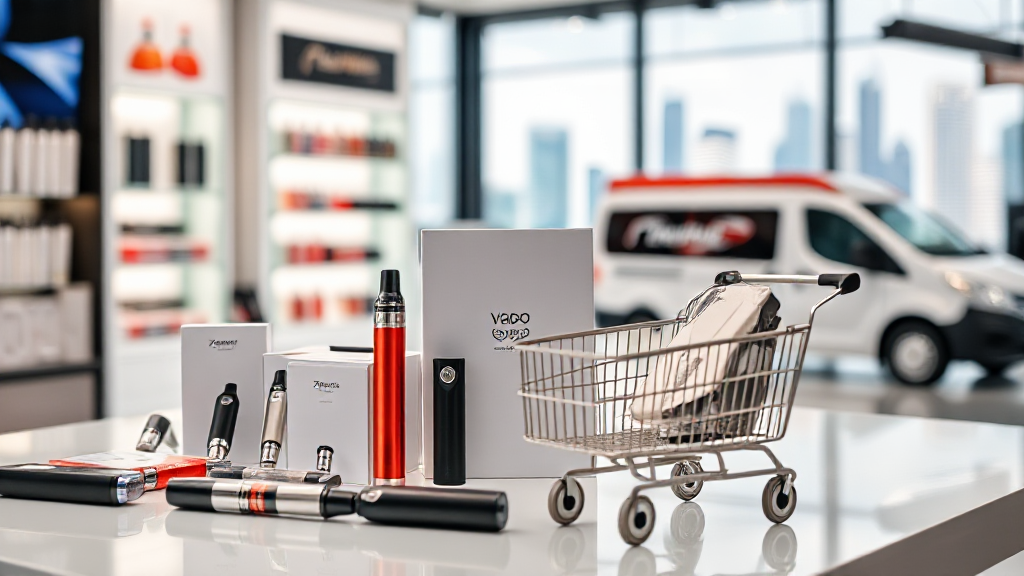
Lana Pix 20K Not Hitting Right? How to Fix It Before You Buy Again
You charged it overnight, you opened a fresh pod, and the first pull tastes thin, burnt, or barely there. If that sounds familiar, you are not alone. Most people who message me about the lana pix 20k are not first-time vapers. They already own the device, they already liked it once, and now something has changed. This is the troubleshooting conversation I run with beginners in my training sessions, and it almost always ends with a fix that costs nothing.
Here is the short version before we go deep: nine times out of ten, the problem is airflow, contact, or charge state, not the device itself. The tenth time, you bought a counterfeit or a stale unit. Let us walk through each failure mode in order of how often I see it, and then you can decide whether to repair, replace, or switch models entirely.
Start With the Three Checks That Solve Most Lana Pix 20K Complaints
Before you assume the worst, run these three checks in sequence. They take about four minutes total and they eliminate the majority of “my device died” reports.
Check one: airflow. Cover the airflow hole with your thumb and take a slow, gentle pull. If the draw improves dramatically, your inlet is partially blocked. Pocket lint, condensation, and dried e-liquid residue all narrow that channel over time. A dry cotton swab around the outside of the inlet, never inside the coil chamber, clears most of it.
Check two: pod seating. Pull the pod out, look at the two metal contact pins at the bottom, and wipe them with a dry tissue. Then reseat the pod firmly until you feel it click or stop. A pod that sits a millimeter high will still fire, but it fires weakly, which reads to your mouth as a burnt or hollow taste.
Check three: charge state. Many people assume a device is charged because the light came on. A weak USB cable or a low-amperage wall adapter can show a charging light while delivering almost nothing. Swap the cable first. If the light behavior changes, the cable was the problem, not the battery.
If all three checks pass and the device still underperforms, you are now in the second tier of causes, which is where the comparison below becomes useful.
Comparing the Common Failure Modes Across Popular Disposable Models
I teach beginners to think in terms of failure signatures rather than brand loyalty. Each device family tends to fail in a recognizable way. Once you know the signature, you stop guessing.
The lana pix line tends to fail at the pod-to-body interface. That is the weak point. If your draw is inconsistent rather than completely dead, the interface is usually the culprit, and reseating plus contact cleaning fixes it. The lana pen plus 9k behaves differently. Because it is a slimmer pen format, it is more sensitive to how you hold it. Blocking the inlet with your finger or a tight grip is the number one cause of a hot, harsh taste on that model, and the fix is simply changing your hand position.
Larger-capacity devices change the picture again. The marbo 25k has a bigger reservoir and a longer coil life, so when it starts tasting off, it is usually genuinely at the end of its coil rather than suffering a contact problem. People often try to troubleshoot a Marbo the way they troubleshoot a smaller device, and they waste time. If a high-capacity unit has been in daily use for a long stretch and the flavor has faded gradually, that is normal wear, not a defect. The marbo vape 25k is also frequently counterfeited, which brings us to the authenticity question.
Authenticity matters more than most beginners expect. A counterfeit unit will often pass the charge test, pass the airflow test, and still perform poorly because the coil wire gauge is wrong. If every troubleshooting step fails on a device that is only a few days old, and the packaging felt slightly off, suspect the source rather than the model. Buying from a seller who handles terea singapore and similar authentic lines with proper sourcing is the single most reliable way to avoid this entire category of problem.
Finally, some devices fail because of user expectation rather than hardware. The lana ultra 2 has a different draw characteristic than the Pix line, and people who switch between them often report that one “feels broken” when it is simply calibrated differently. Before you return anything, spend a full day with the device and adjust your pull strength to match it.
What to Do When the Simple Fixes Do Not Work
Once you have cleared airflow, reseated the pod, cleaned contacts, and swapped the cable, you have eliminated roughly ninety percent of causes. The remaining ten percent splits into three buckets, and each has a different response.
The first bucket is a genuinely dead battery. The symptom is specific: the device does not fire at all, no light, no vapor, even after a confirmed-good cable and a full charge cycle. There is no field repair for this. Do not attempt to open a sealed disposable body. The cells inside are not designed for user access, and prying one open is how people injure themselves. Retire the device and move on.
The second bucket is a flooded or saturated coil. The symptom is gurgling, spitback, or a wet, heavy draw. This happens when a device sits unused for a while, or when it has been stored in a hot place. The standard fix is to hold the device upright, take a few short pulls without pressing the fire button if your model allows it, and let the excess settle. In most cases it clears within an hour. Storing your devices upright rather than on their side prevents this from recurring.
The third bucket is a mismatched pod. If you bought replacement pods separately, confirm they are the correct variant for your exact device generation. A pod that physically fits but is spec’d for a different resistance will fire weakly and taste burnt. This is a common beginner mistake and it is entirely avoidable by buying pods from the same source as the device.
Here is the part most people skip: document what you tried. When you contact a seller, a short message like “cleaned contacts, reseated pod, swapped cable, still no fire” gets you a resolution far faster than “it does not work.” Sellers can only help if they know which variables you have already ruled out.
Buying the Right Replacement Without Repeating the Same Mistake
If your device is genuinely finished, the goal is to replace it with something that fits how you actually vape, not with whatever is trending. This is where beginners overspend.
Ask yourself three questions. How many puffs do you take in a day? Do you prefer a tight draw or an airy one? Do you want a device you can pocket without thinking about it, or one you keep on a desk? Your answers point to a category, and the category points to a model.
For heavy daily users, a high-capacity unit like the snowwolf 16k makes sense because you are not constantly rotating devices. For people who want something slim and discreet, the pen format is the better fit, and you accept a smaller capacity in exchange for portability. For anyone who vapes intermittently, a mid-capacity device is the sweet spot, because a large reservoir that sits half-used for weeks will taste stale before you finish it.
Two practical buying rules I give every beginner. First, buy your device and your pods from the same seller so the specs match. Second, buy one device, use it for a full week, and only then decide whether to buy a second. Buying three devices at once is how people end up with three half-used units and no clear idea which one they actually like.
Also verify the seller’s delivery and payment process before ordering. A seller who offers cash on delivery and discreet packaging removes a lot of the friction and risk from the transaction, because you are not paying upfront for something you cannot inspect. That single detail prevents most of the counterfeit and stale-stock problems described earlier.
My Recommendation After Teaching This to Hundreds of Beginners
If you came here because your device is misbehaving, work the checks in order: airflow, pod seating, contacts, cable. That sequence resolves the overwhelming majority of problems and costs you nothing but a few minutes. Only after all four fail should you conclude the device is dead.
If you have confirmed the device is genuinely finished, do not replace it with the same model out of habit. Replace it with a model that matches your actual usage pattern. Heavy users should go high-capacity. Portability-focused users should go slim. Intermittent users should go mid-range. And regardless of category, buy from a seller who sources authentic stock, offers cash on delivery, and ships discreetly, because the device itself is only half of the equation. The other half is where it came from.
That is the whole method. Troubleshoot before you replace, match the model to your habits, and source it properly. Do those three things and you will spend far less time chasing weak draws and far more time simply enjoying the device you already own.